6 Tips for Choosing Between Multiple Job Offers
27 Nov, 2025





With AI dominating industry headlines, it’s no wonder companies are rushing to implement it across their businesses. We’re witnessing a surge in AI adoption to automate workflows and, in some cases, reduce team sizes.
However, the real question is whether these companies are adopting AI for the right reasons. Is it a strategic decision, or simply a case of “everyone else is doing it” combined with a fear of being left behind? And what does this mean for employees and teams?
The key lies in the strategic and responsible integration of AI systems - understanding both their benefits and limitations, while recognising the importance of maintaining the human touch. It’s about implementing AI in the right places, for the right reasons, so it genuinely enhances business practices rather than undermining them.
We’ve reached an interesting point where AI adoption is no longer optional for most businesses. To remain competitive and innovative, many organisations now see AI as an essential tool. However, this fear of missing out can lead to reactionary decisions rather than strategic ones - investing in AI systems without fully considering how they will work within existing operations and teams.
As a result, some common scenarios are beginning to emerge. For example, companies may purchase bulk licences for AI tools without first thinking through how they will be used, what value they will bring, or whether they align with business needs. Unsurprisingly, these tools often see low uptake and become costly mistakes. AI integration can also expose existing inefficiencies in workflows and processes. If teams are all working in different ways, introducing a blanket AI system is unlikely to be effective. For seamless integration, AI needs to be built on a solid operational foundation.

The key point is that AI should be introduced as a solution to a specific business problem, not as a box-ticking exercise designed to “keep up appearances”. Before investing in AI tools, leaders should be asking what problem they are trying to solve. AI can’t simply be bolted onto existing systems - those systems need to be capable of adapting to AI integration.
There are, of course, many genuine and valuable reasons to incorporate AI into business operations. The right tools can automate time-consuming, repetitive tasks, freeing up team members to focus on deeper, more meaningful work. AI also excels at analysing data, predicting market trends, supporting decision-making, and enhancing customer service interactions. Used well, it can make workflows more efficient and allow people to focus on what humans do best: being creative, applying judgement, and driving innovation.
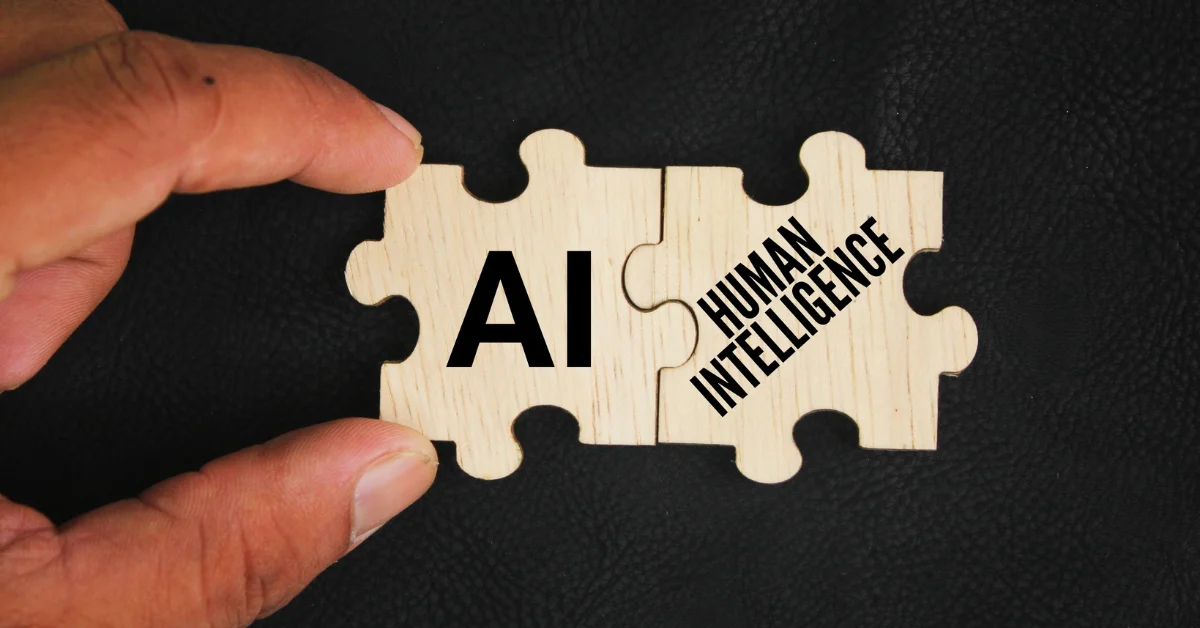
AI works best when it operates in collaboration with people, with each playing to their individual strengths. Approaching AI integration as a partnership rather than a replacement - and clearly identifying the problems that need solving - helps businesses make smarter, more strategic decisions about adoption.
The first step is gaining clarity on the purpose of adopting AI. This starts with identifying the right problems to solve or pain points within existing workflows. Doing so often requires thorough consultation, speaking with teams at all levels of the business to understand where genuine challenges and opportunities lie. Manual data entry, slow response times, cumbersome search processes, or time-intensive report generation are all common issues that limit efficiency and could potentially be addressed with the right AI tools.
Businesses should be asking key questions: What specific challenge needs addressing? How can AI help in this area? And what outcomes would define success? This final point is particularly important. Many organisations implement AI without properly monitoring its effectiveness or measuring how well it addresses the original problem. AI isn’t valuable simply because it’s technologically advanced - its real value lies in its relevance and impact.
The other side of the AI equation is the human element. Over-automation risks making a company feel impersonal. Customers value human interaction, and employees want to feel supported and appreciated. While AI is excellent at processing information, it can’t replace teams entirely. Teams are built on trust, creativity, mentoring, and idea generation - things that go far beyond workflows alone.
A hybrid or collaborative approach to AI integration is often the most effective, using AI to empower people rather than replace them. For example, AI might gather and analyse complex data, but human interpretation of those insights leads to more nuanced and informed business decisions.
Of course, AI adoption works both ways. While AI is becoming inevitable for most businesses, successful implementation depends on people being on board. This means investing time in training, helping teams understand how new tools work and the benefits they bring. It also requires having the right technical expertise in place to implement and manage AI systems effectively. The right people need to be driving these tools, ensuring smooth integration and addressing early challenges. When it comes to AI, considering the “who” is just as important as the “what”.
AI shouldn’t be viewed as a one-off investment. Tools need to evolve and adapt to meet changing business needs. This is why setting clear measures of success or performance indicators before implementation is so important. There should be accountability, with someone responsible for evaluating outcomes. Is the tool working as intended? Are the results relevant and useful? Is it solving the problem it was designed to address?
Once again, the human touch is essential. People are needed to review systems, validate outputs, and gather feedback from those using the AI day to day - whether that’s employees, customers, or clients. This feedback allows tools to be refined and improved over time.
There’s no doubt that AI has the potential to transform business operations. However, the organisations adopting it most successfully are doing so with intention and purpose. Rather than asking, “How can we get AI into our business?”, a better question is “Why should we - and what specific benefit will it bring to our teams?”