Hampshire AI - Cyber Security in the Age of AI
14 Oct, 2026
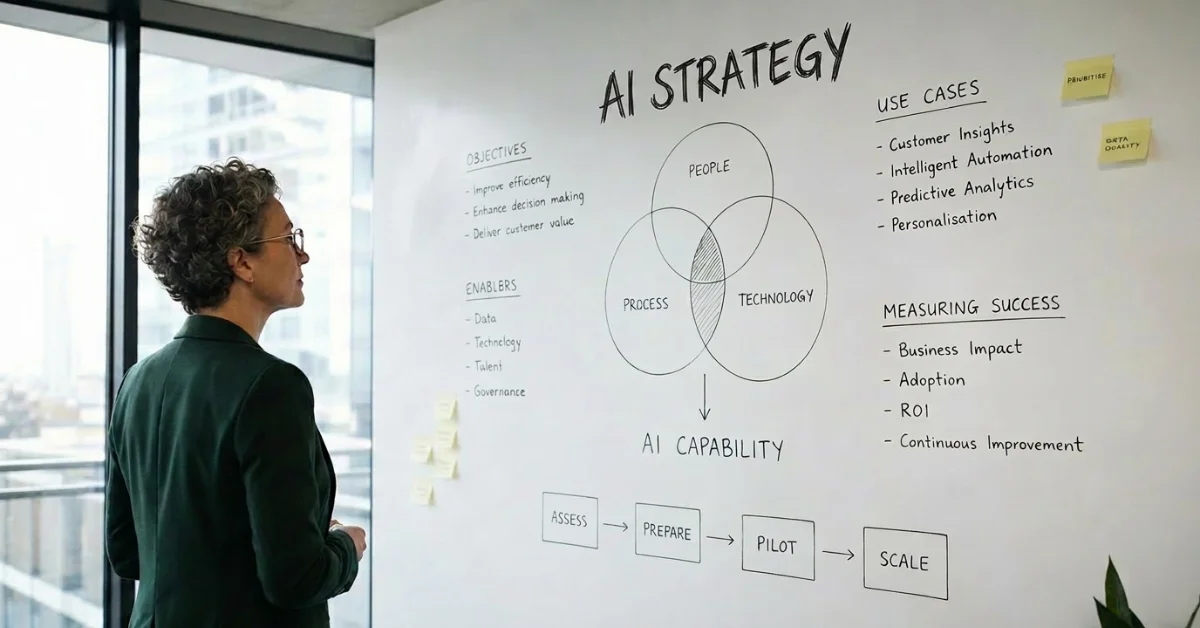
As we reach the halfway point of 2026, the conversations we're having about AI feel very different to those we were having a year ago.
Twelve months ago, most organisations were asking the same questions: Where could AI fit? Which tools should we be exploring? Is this something we should be investing in?
Today, those questions have changed. Technology leaders are no longer trying to understand whether AI has potential. They're trying to work out how to make it deliver measurable value. That means moving beyond experimentation and building the capability, skills and leadership needed to embed AI into everyday operations.
That's where the conversation has become interesting.
One question comes up time and again: If we're serious about AI, where do we start?
For some organisations, that means making a first dedicated AI hire. For others, it's understanding whether they need permanent expertise, contract support or simply different skills within their existing teams.
The questions vary, but they tend to centre around the same themes:
What's become clear is that there isn't a standard blueprint. The organisations making the greatest progress are starting with the business problem they're trying to solve rather than the technology itself. The AI tools may be similar from one organisation to another, but the people needed to make them successful often aren't.
That's why we're seeing increasing demand for professionals who can combine technical expertise with commercial awareness, helping organisations bridge the gap between innovation and practical business outcomes.
As organisations move beyond experimentation, hiring priorities naturally begin to change. The focus is shifting away from simply understanding AI and towards embedding it into products, services and day-to-day operations. That's reflected in both the roles employers are recruiting for and the skills they're prioritising.
Across the South East, we're seeing growing demand for AI Architects, Machine Learning Engineers, Data Engineers and AI Product Managers, alongside professionals who can apply AI in practical ways across products, processes and teams.
Over the last 12 months, Spectrum IT Recruitment has seen a 75% year-on-year increase in AI and AI adoption being referenced in job specifications, reflecting the growing emphasis on AI capability across the technology sector.
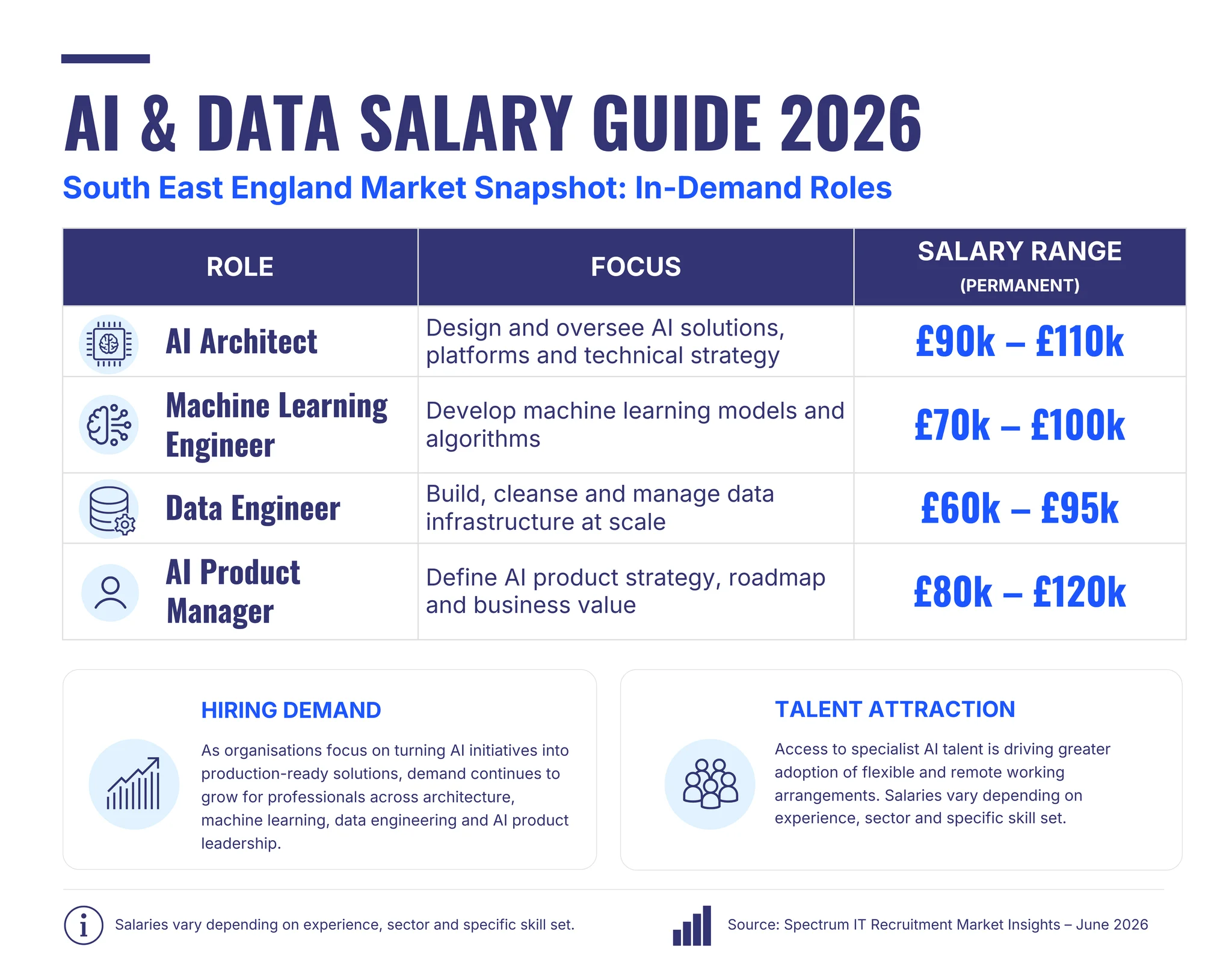
Rather than looking for Prompt Engineers in isolation, organisations are increasingly looking for people who can embed AI into products, systems and ways of working. Roles such as AI Integration Engineer, AI Product Manager and AI Solutions Architect are becoming more common as businesses focus on turning AI potential into practical results.
At the same time, demand is growing for AI Governance and Risk professionals as organisations recognise that successful AI adoption depends just as much on governance, security and compliance as it does on technical expertise.
The AI skills employers are prioritising in 2026:
AI is becoming a mainstream workplace tool. According to YouGov, around two-thirds of IT and telecoms professionals now use AI in their day-to-day roles.
Within software engineering, tools such as GitHub Copilot, Claude, Cursorand ChatGPT are becoming increasingly common, supporting everything from coding and debugging to documentation and testing.
To see how that compared with our own network, we asked them a simple question: What percentage of your working week is currently AI-assisted?
The LinkedIn poll attracted 152 responses. While 41% estimated AI supports less than 10% of their working week, almost six in ten respondents said AI is already assisting at least a quarter of their work.
For some, AI is still an occasional productivity tool. For others, it's already becoming part of the way they build software, analyse data and solve problems. That difference highlights something we've seen repeatedly throughout the year: organisations are moving at very different speeds, but very few are standing still.
This is where many organisations encounter their biggest challenge. Getting an AI pilot off the ground is one thing. Embedding it into everyday operations is something else entirely.
The barriers are familiar. Data quality, governance, ownership, integration and internal capability continue to slow progress. In most cases, the technology isn't the limiting factor. Building the capability around it is.
'For clients, AI adoption is no longer about experimenting at the fringes. The real opportunity is identifying the parts of the business that consume disproportionate human time and effort, and where AI can deliver faster, more consistent outcomes. From there, organisations can redesign workflows to create space for people to focus on what they do best: judgement, creativity, strategic thinking and problem-solving.'
Dave Toland, Solution Architect, Software Engineering Lead
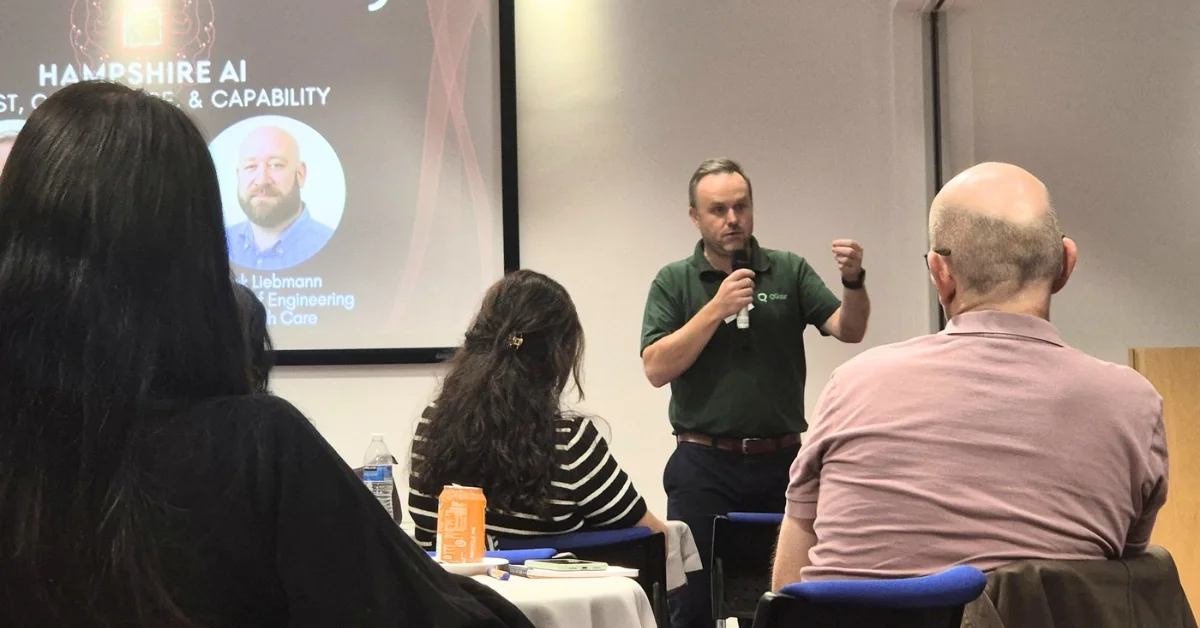
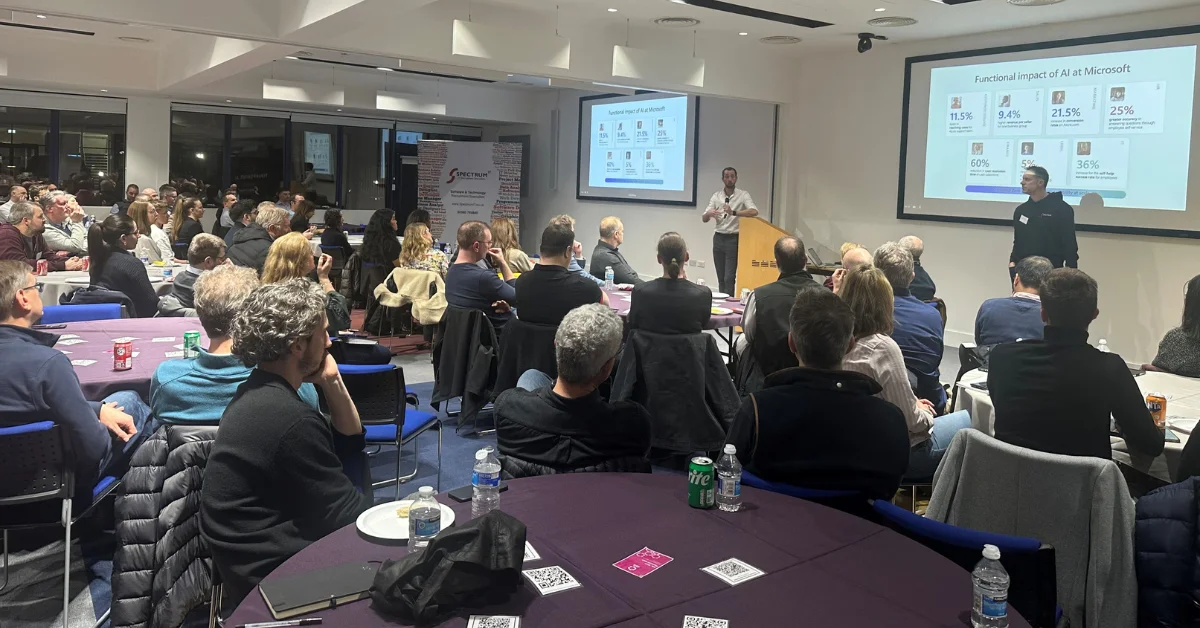
We've seen the same themes reflected through our involvement with Hampshire AI. A year ago, conversations centred on what AI could do. Today they're focused on how organisations make AI work safely, responsibly and at scale.
Discussions with technology leaders, founders and specialists - including insights shared by Microsoft - continue to reinforce the same message. Many organisations successfully launch pilots, but far fewer achieve meaningful production impact. The difference usually comes down to governance, change management and aligning AI initiatives with clear business outcomes.
Perhaps the biggest lesson from those conversations is that successful AI adoption is rarely just a technology project. It's an organisational one.
None of this happens without people. Demand for experienced AI professionals continues to outpace supply, but technical expertise alone is no longer enough.
The candidates making the biggest impact are those who combine strong engineering fundamentals with commercial awareness, stakeholder communication and an understanding of how AI creates value for the wider business.
'The strongest candidates won’t be the ones who simply know how to prompt an AI tool. They’ll be the ones who understand the full software delivery lifecycle well enough to identify where AI can safely accelerate the process without compromising quality, security or control. From requirements and planning through code, architecture, infrastructure and release, that understanding will become increasingly valuable.'
Dave Toland, Solution Architect & Software Engineering Lead
As we move into the second half of 2026, we expect several trends to continue:
The organisations that will gain the most value from AI won't necessarily be those with access to the latest technology. They'll be the organisations that successfully combine the right skills, leadership, governance and technical capability to turn AI ambition into sustainable business outcomes.
At Spectrum IT Recruitment, we're supporting businesses at every stage of that journey. Whether it's understanding the skills required for a first AI initiative, making a key AI hire, building a machine learning capability or scaling an established technology team, we're seeing first-hand how the right people can accelerate adoption and create long-term competitive advantage.
If you're exploring how AI could support your business or planning to grow your AI capability in 2026, we'd be happy to share what we're seeing across the market.
Speak with AI Recruitment Specialist