Women in Tech Hampshire - See It, Be It: Female Leaders in Tech
28 Jul, 202610 mins
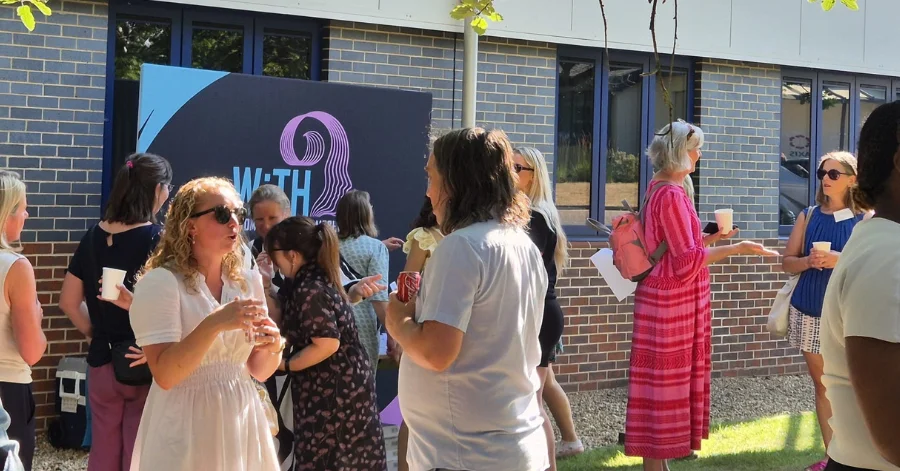
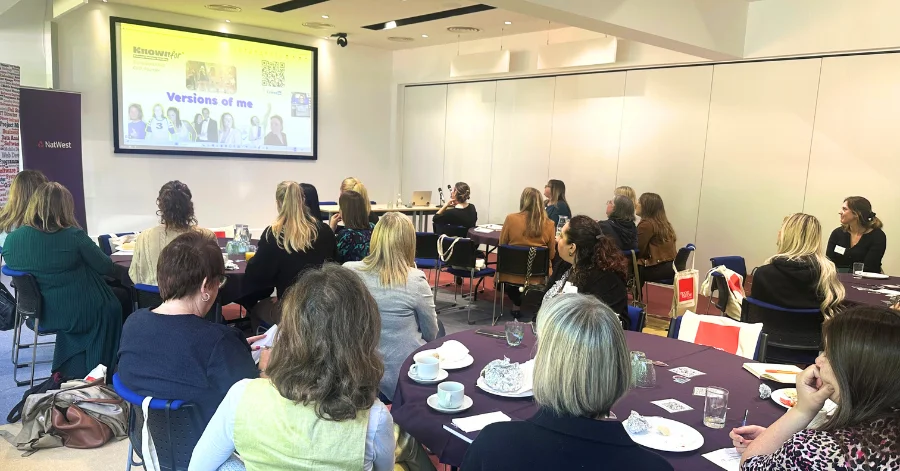
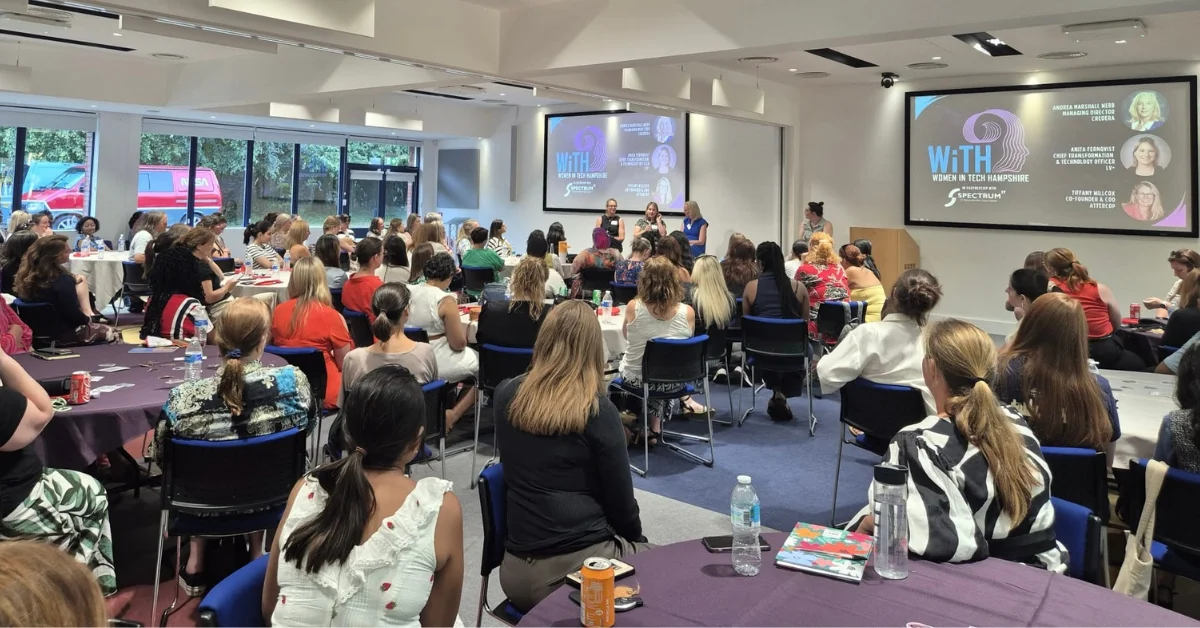
Our annual Summer Social was another huge success, with over 120 professionals joining us for an evening of networking, a summer BBQ and an inspiring panel discussion before our summer break. The relaxed start to the evening gave attendees the chance to catch up with familiar faces, make new connections and enjoy the social side of the network before the panel began. The event also gave us the opportunity to celebrate the continued growth of Women in Tech Hampshire and the thriving community that has developed since the network began. We were joined by an outstanding panel of female leaders to talk about the importance of visibility and representation in the tech industry.
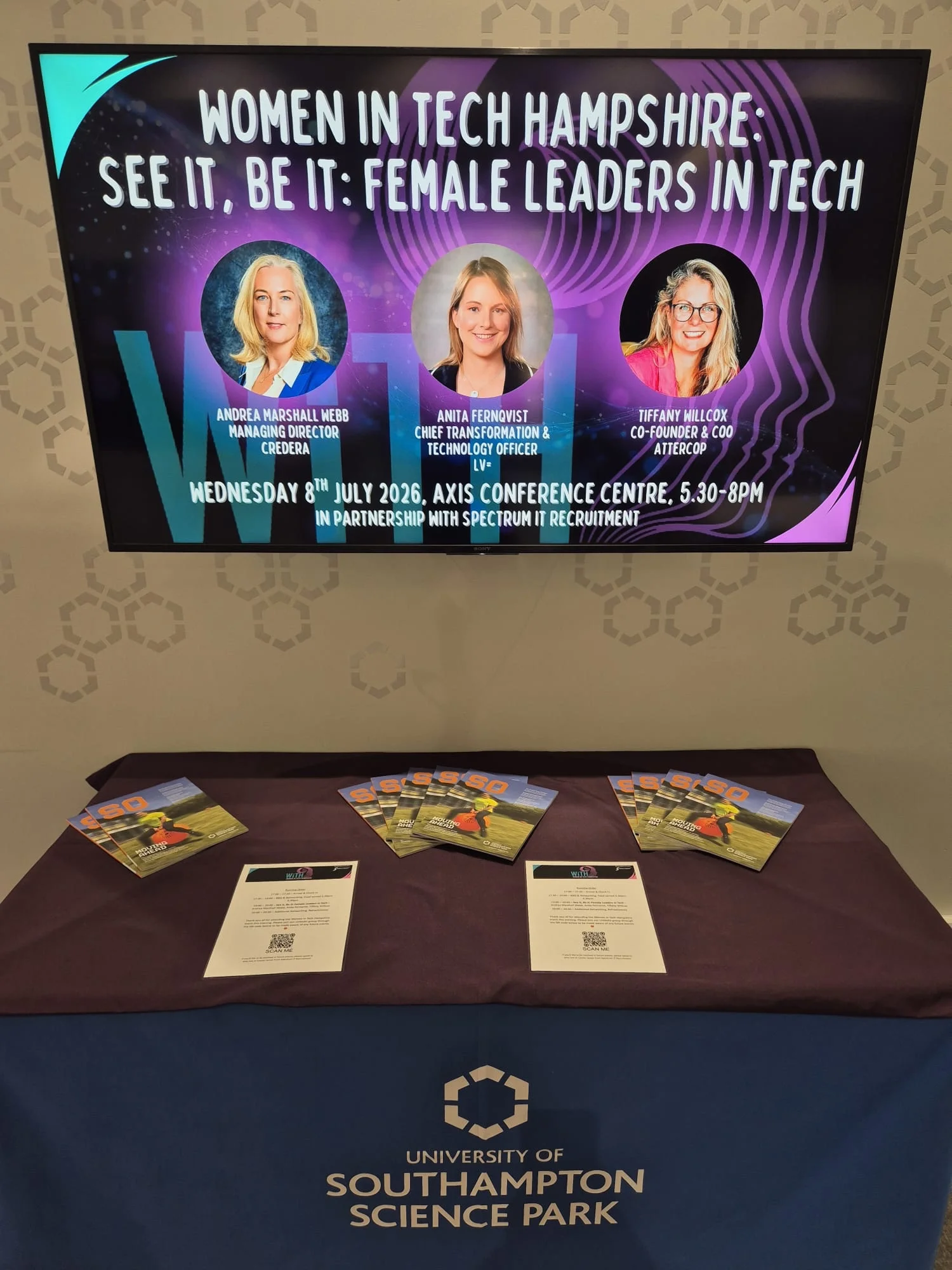
The theme of the evening was ‘See It, Be It: Female Leaders in Tech’, which explored why representation matters. Seeing someone who looks like you, thinks like you, or has faced similar challenges can change what feels possible.
We welcomed three inspiring leaders from different areas of the tech industry:
- Andrea Marshall Webb, Managing Director for Credera
- Anita Fernqvist, Chief Transformation and Technology Officer at LV=
- Tiffany Willcox, Co-Founder and CCO for Attercop
Throughout the evening, our panellists shared the realities of progressing into leadership, overcoming barriers, finding confidence, and why visible role models continue to matter for women entering the industry today.
Why visibility is so important
Spectrum IT’s Lauren James opened the evening’s discussion by asking whether the panel had a female leader or role model during their own careers and why visibility remains so important today.
For Andrea, she has noticed a difference throughout the stages of her career. Early on, working in consulting, women in senior leadership were few and far between. It wasn’t until later in her career that she began working alongside women in leadership positions who showed her what was possible. “I feel I was able to get to where I am now as Managing Director in a way I may not have done previously without support from some of my female coworkers. These women, who were working in very senior positions, gave me the confidence to say, well, they’re there, so of course I’m going to be there!” Outside of work, Andrea credited her mother with instilling in her the belief that hard work and determination could open opportunities.
Anita’s journey was shaped by several influential women throughout her early career in Switzerland and later in the UK. Working alongside female executives gave her firsthand insight into different leadership styles and demonstrated that successful careers weren’t limited to any one route. “Things changed back in the ’90s, and I feel really passionate about women talking about their careers.”
Tiffany’s experience was very different. She began her technical career as a systems administrator configuring servers from South Africa for a German-managed service provider in Malta, before moving into other organisations. They were heavily male-dominated environments, and she says it was 20 years before she met a woman in a senior technical position. “I just loved talking to her, and from that moment on, it really brought to life what female leadership was all about, and how different it is when you have a female leader to look up to… I never quite understood what my role, my career path, would be, because I only ever saw men, and suddenly seeing her as the Vice President of Engineering, I was like, okay, so it can be done.”
The conversation naturally moved towards leadership itself, with Lauren asking whether the panel had ever felt pressure to fit into a particular leadership style. All three agreed authenticity had become increasingly important throughout their careers.
Tiffany admitted that early on she stayed quiet and tried to conform to what she thought others expected. Over time, she realised that being herself brought far more value.
Anita described integrity as her non-negotiable in leadership. “It’s about finding a way to authentically move the way you feel is the right way, deliver what you need to do, but ultimately be proud of it.” While different situations require different approaches, she believes leadership only works when it feels genuine.
Andrea agreed, explaining that people quickly recognise when someone is trying to be something they’re not. Now in a senior leadership position herself, she feels a responsibility to create opportunities for others and make sure people can see leaders who think, communicate and experience the world differently. “It’s my responsibility to make sure people have access to the things they have access to, and the doors are open. They understand… what their career opportunities are.” Openly discussing her own autism and ADHD diagnosis has become an important part of that. “I want to make sure people who are on their own leadership journeys are able to see somebody who looks and thinks the way that they do.”
Barriers and responsibilities
The panel agreed that representation has improved, but women in senior tech roles are still underrepresented. Lauren asked what the biggest barriers still are and where the most progress has been made. Our leaders identified some core barriers, including returning to work after maternity leave, balancing careers with family, imposter syndrome, a lack of confidence, and structural workplace challenges.
Andrea reflected on having to leave her role in consulting after having her first child because “there was no opportunity for me to stay there”. Returning to her career later brought new challenges, including rebuilding confidence in an industry that had evolved significantly during her absence. She stressed the importance of organisations supporting returners properly, and that she feels a responsibility to be vocal on behalf of younger women. “I have to put myself out there, because I want it to be different for them when they get to where I am than it was for me. Surrounding yourself with women, with other leaders, with other people who understand your strengths, is also incredibly important, because it sometimes feels a little bit like a battle.”
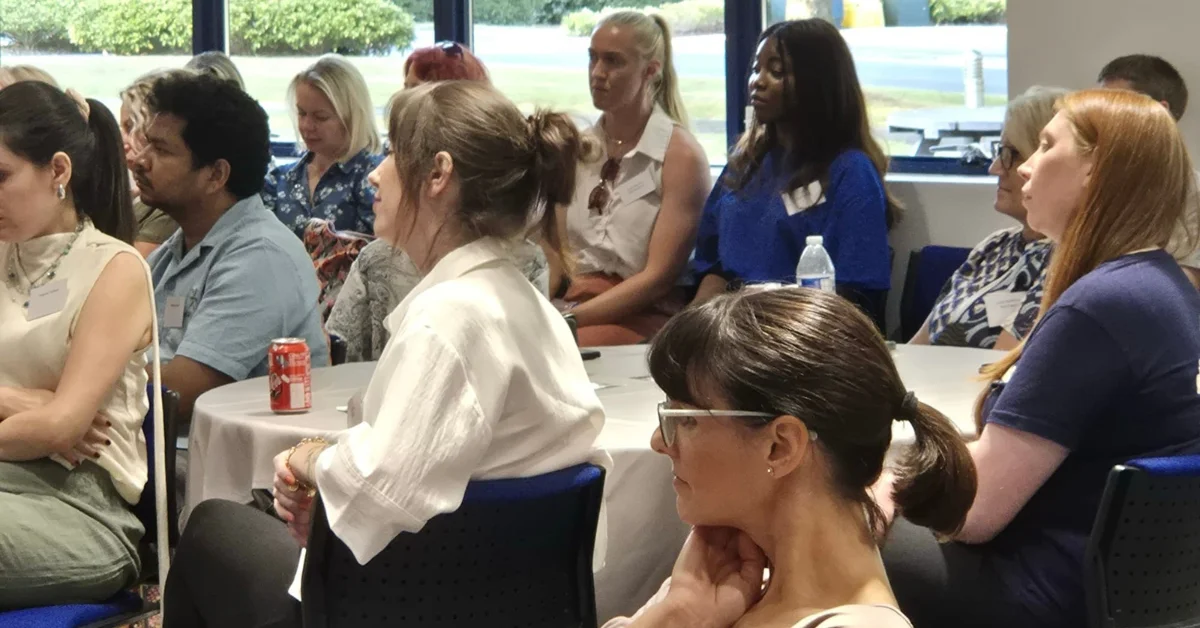
The panel also discussed how women often feel pressure to ‘do it all’, succeeding professionally while also meeting expectations outside work. Tiffany talked about wanting to be a modern leader, while also wanting to be there for her kids’ bedtimes, and how to find that compromise. “It’s almost impossible to do one or the other, so I have to learn that there are days when I am at work and I’m doing work, and there are days when I’m home, and there are days where there’s a kind of crossover between the two.” She says that you have to put things in place to support you and have a network around your children of people you trust.
Andrea echoed this sentiment, reminding the audience to give themselves permission not to do everything perfectly. “Some days it might be the kids, some days it might be work, and that’s really, really hard. Just give yourselves a break; you’re never going to be able to do it all every single day.”
Advice for the audience
Some of the most practical advice and valuable insights came when Lauren asked what advice the panel would give to someone wondering whether leadership is right for them. Andrea spoke passionately about leadership creating opportunities to influence positive change. “If you want to make things different and like being a leader, you’re able to be the person who makes that change… I’m always thinking ‘this needs to change’ and ‘that needs to change’, and now, because of where I sit, I’m able to do that, whereas before it would just really bother me.”
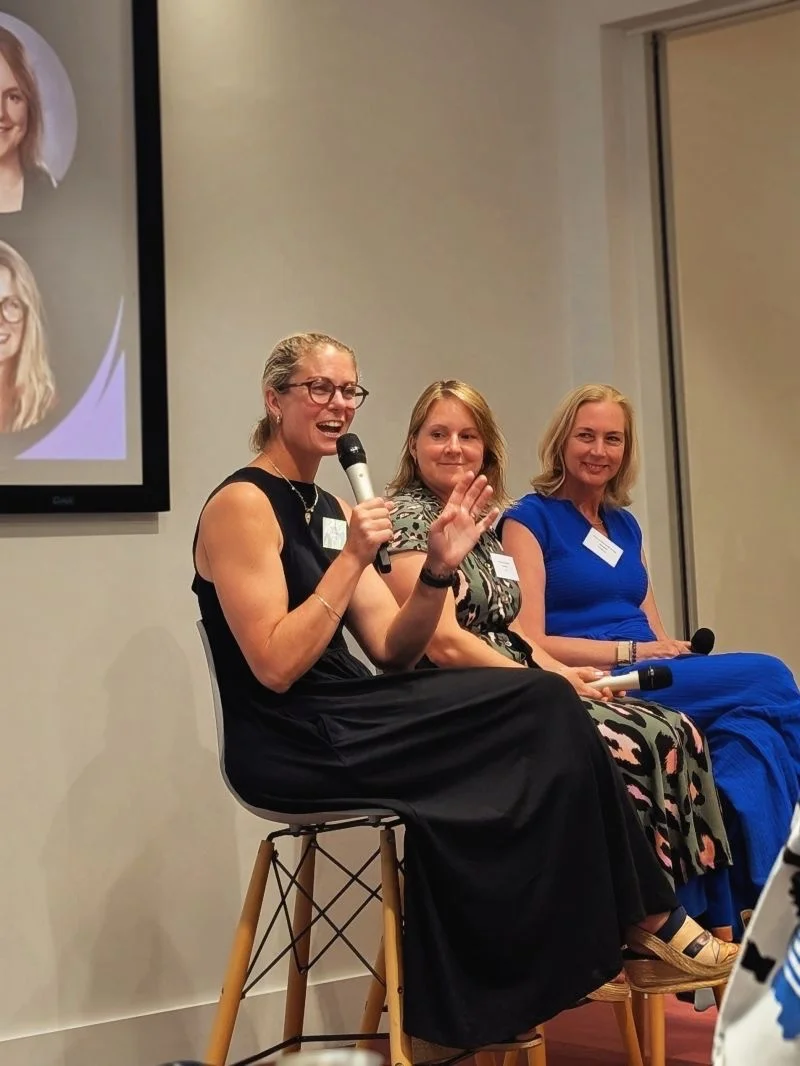
Tiffany offered a slightly different perspective, saying that her controversial take is that “you don’t have to be a leader”. She explained that highly successful careers can be built through technical expertise alone. Some people thrive in leading teams, while others gain more enjoyment from dominating technical roles. “Both options are 100% acceptable and brilliant. I work with some people who have chosen to go down the data science route; they’ve studied PhDs and they are phenomenal people, but they’re not leading people, and that’s okay. So, know who you are, know what you want to do.”
Anita agreed, pointing out that people management requires a completely different skillset to technical excellence. Organisations shouldn’t assume great engineers automatically want to lead people. “Do what you love and do what you’re good at, and what brings you the most joy and most pleasure. If that involves the people side of it, that’s fantastic.”
At this point, Lauren opened the floor for questions from the audience to glean advice from our female leaders. The discussion continued many of the evening’s themes, covering topics including career progression, organisational culture, and balancing additional responsibilities.
One attendee asked how organisations can avoid expecting women to carry the invisible workload of mentoring, supporting diversity initiatives and driving cultural change alongside their day jobs. They recognised that the end results of these initiatives can be very positive, but how can you protect your time as a leader and have boundaries around what you get involved with?
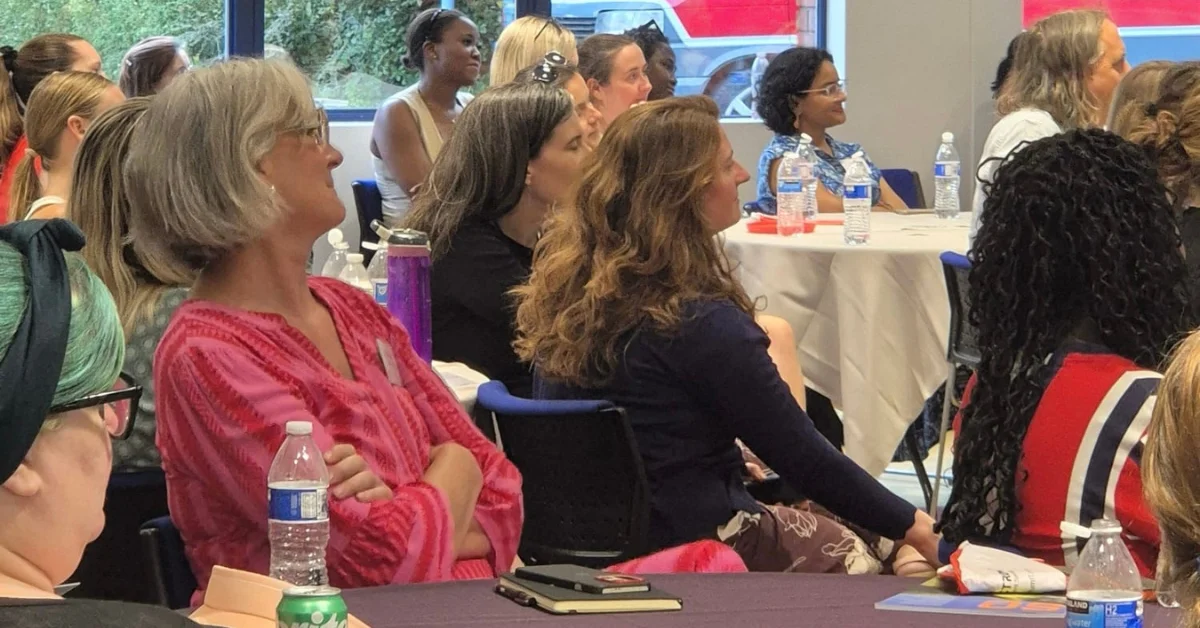
Andrea took this question, saying there’s not an easy answer: “A lot of the things we’ve been talking about – supporting women, mentoring, sponsorship, listening when things haven’t been working well – these are things I think a lot of organisations expect you to do outside of desks. I think when there are fewer women working within organisations, you feel a massive amount of responsibility to do that work. The answer is hard, especially if you’re very passionate about it, if you really want to help, and if you’re one of the few who can push that agenda.”
Another attendee talked about how people tend to stay in a role for a long time and build up expertise, but don’t bring in new ideas, especially when in a male-dominated environment. Anita says it’s important to proactively seek out new ideas: “I spent 21 years in an organisation – I actually loved it – but I purposely needed to make sure it wasn’t [giving me] just one view of the world. I sat on boards with a couple of other companies… from the perspective of broadening [my views] and having wider conversations.” She can then use this to take on challenges and address issues. “A lot of people, especially women who are maybe new to tackling senior leadership won’t necessarily have that confidence, and you kind of get on with it and deal with it.”
Ending on a high
As always, the evening finished with networking, conversation and plenty of inspiration. With our highest turnout to date, it was fantastic to see the Women in Tech Hampshire community continuing to grow and so many people coming together to connect, learn and support one another. The discussions highlighted how far the industry has come but also reminded us that visibility still matters. Every woman who shares her experiences, challenges outdated assumptions or leads authentically helps make the path a little clearer for those following behind.
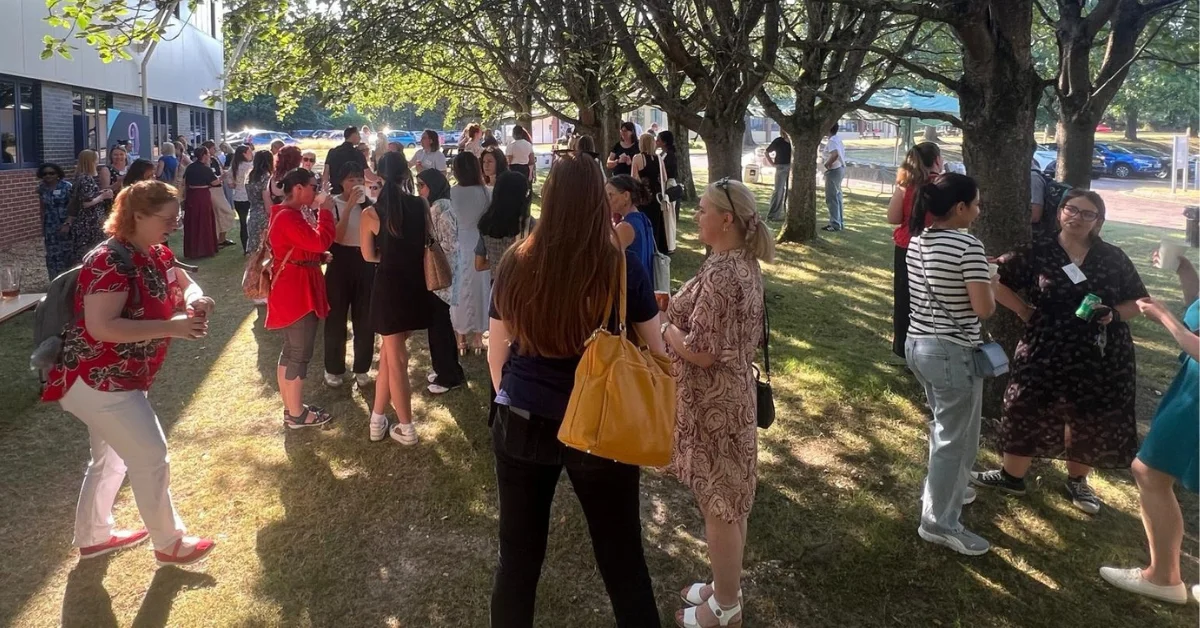
We’d like to thank Andrea, Anita and Tiffany for sharing their honesty, experience and leadership with us, and everyone who joined us for another brilliant evening.